The research unit Sociology of Media and Theory of Society is dedicated to the question of how communication is reconfigured under mediatized conditions, what consequences this has for the public sphere and what new socio-technical options for action result from this. It combines current issues of digitalization with basic research in social theory. Our projects are typically inter- and transdisciplinary in nature. The methodological focus is on qualitative social research. We pursue three main research areas in our empirical work:
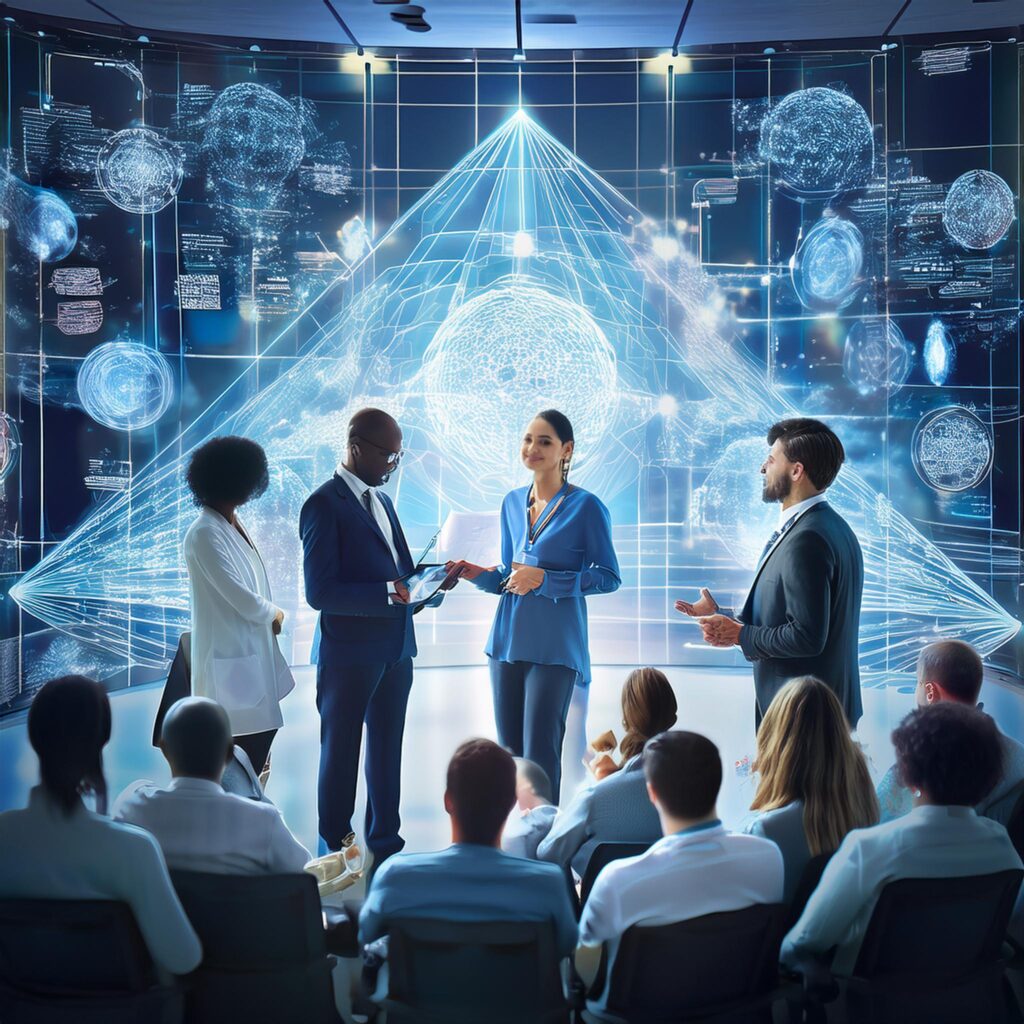
While the implications of the digital structural change in the public sphere for mass media, politics and Economics have already been well researched, it is still far less clear what this change means for science and science communication. What opportunities and risks do the new opportunities for dialog and participation offer? How can scientific institutions respond appropriately to this change? We researched this topic as part of the DFG research group “Evidence Practices” (2017-2023), for example.
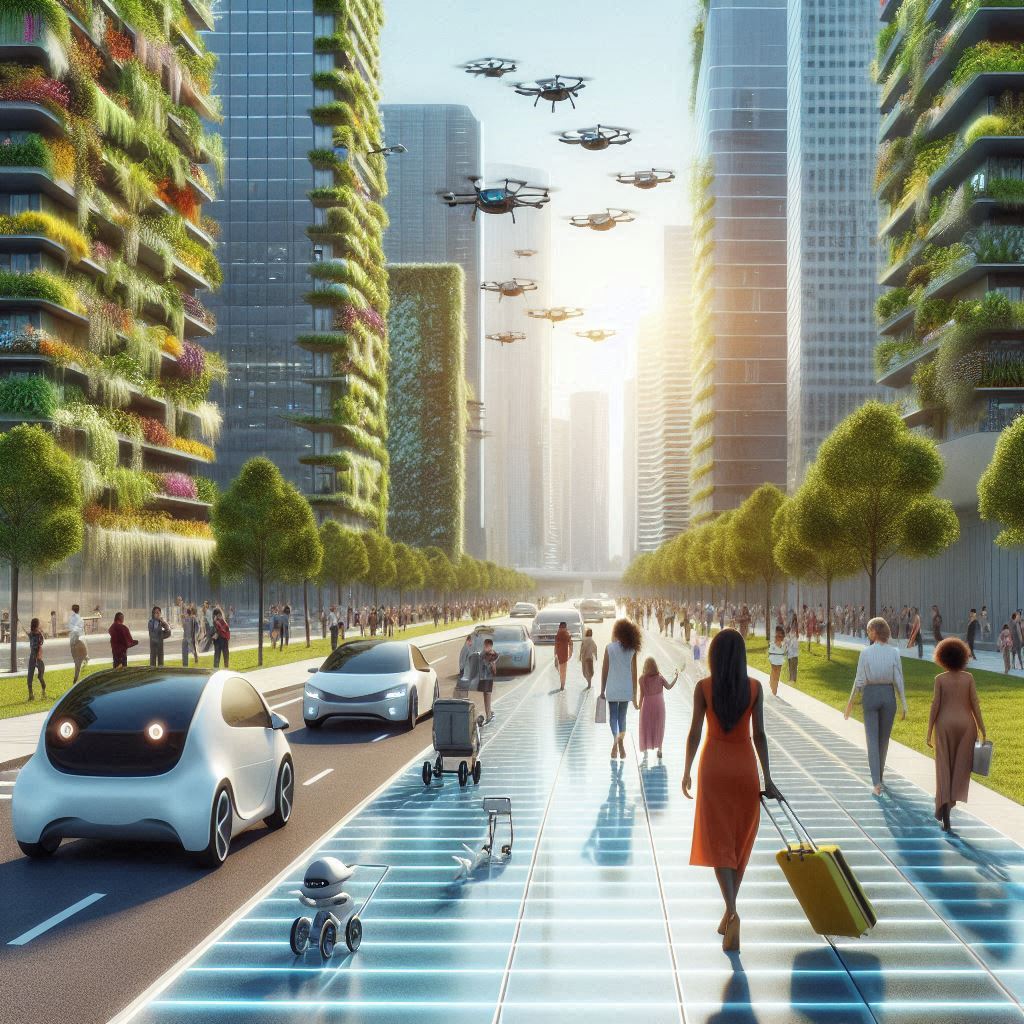
The current self-perceptions of societies are reflected in the design of their futures – the projections of what could be. Digital technologies typically play a key role in the future visions of contemporary societies: whether artificial intelligence, cyborgs, Industry 4.0 or autonomous driving – societal futures are shaped by digitalization. Analyzing the public communication of digital futures is a key to understanding socio-cultural change and at the same time a contribution to technology assessment. In the DFG project “Posthuman de-differentiation? The technological optimization of human bodies” (2021-2025), for example, we are looking at phenomena that are discussed in bioethical and technoethical debates in both affirmative and critical terms as “human enhancement”.
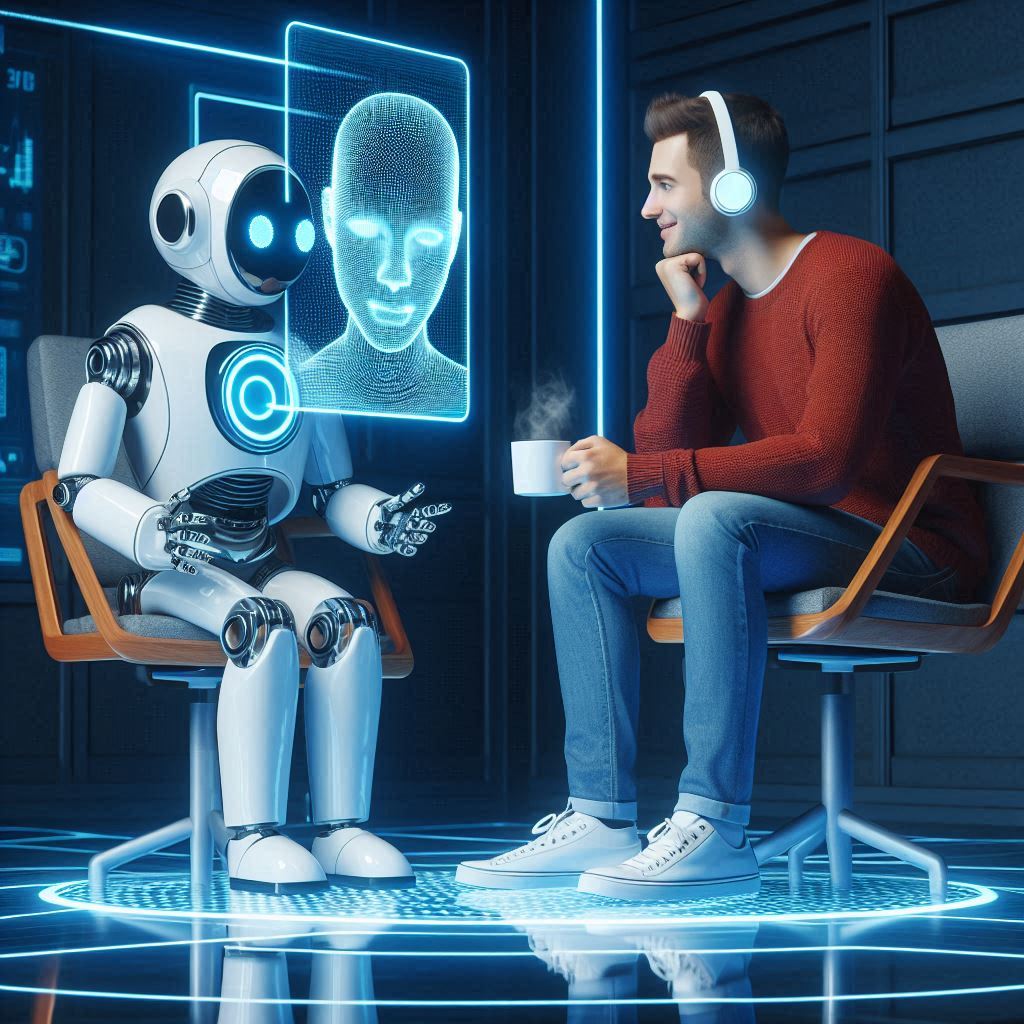
We are currently seeing a proliferation of digital interfaces that are designed to engage in a communicative exchange with people: Chatbots and voice assistants interact with their users. Social bots and algorithmic reporters participate in public discourse. The penetration of private and public communication with artificial agents is becoming part of everyday social life. How does communication between humans and machines differ from interpersonal communication? What requirements must a Technics Department fulfill in which social settings in order to be accepted as a communication partner? How do publics react to the intrusion of machines into the media space?